
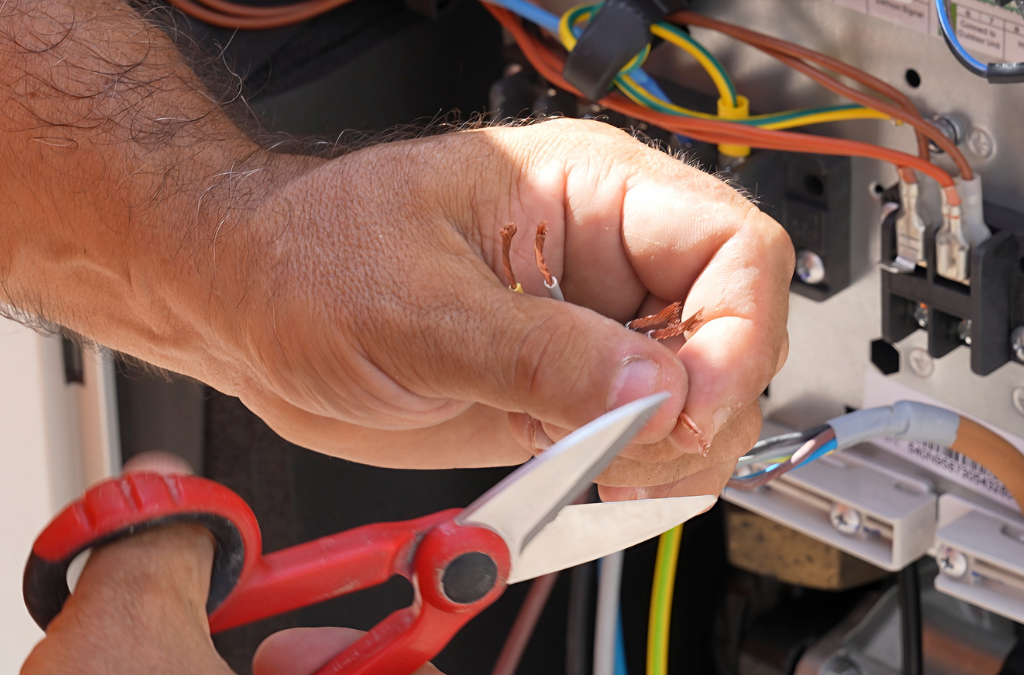
Quick answer: As daylight hours shrink during fall and winter, electrical apprentices need to plan task handoffs carefully to keep jobsites safe and productive. Clear communication, detailed notes, and realistic time estimates help crews finish tasks without rushing unsafe work into the dark. Apprentices enrolled in an electrician apprenticeship program at South Jersey Technical Training learn these handoff skills early, building habits that carry into their full careers.
Key Takeaways
- Shorter daylight hours mean apprentices must plan task handoffs earlier in the shift to avoid rushed, unsafe work.
- Clear documentation and verbal walkthroughs prevent miscommunication between outgoing and incoming crews.
- An electrician apprenticeship at South Jersey Technical Training teaches these real-world scheduling and safety habits from day one.
As the days get shorter heading into fall and winter, electrical crews face a familiar challenge: less usable daylight means less time to safely complete tasks on the jobsite. For new apprentices, this shift in schedule isn’t just an inconvenience. It’s a critical lesson in planning, communication, and safety that will shape how they work for the rest of their careers.
Task handoffs — the moment one worker or crew passes off unfinished work to another — become especially important when daylight is limited. A poorly planned handoff can lead to confusion, wasted time, or worse, a safety incident. For apprentices just starting out, learning how to manage these transitions is just as valuable as mastering wiring diagrams or code requirements.
This post breaks down why shorter days change the rhythm of electrical work, how apprentices can plan effective task handoffs, and what a strong electrician apprenticeship South Jersey program teaches about managing these real-world challenges.
Why Do Shorter Days Change How Electrical Crews Work?
Daylight affects almost every outdoor and many indoor electrical tasks. Rough-in work, service upgrades, and exterior panel installations often depend on natural light for visibility and safety, especially in older buildings or job sites without full temporary lighting set up yet.
When the sun sets earlier, crews lose working hours they’d normally use to finish a task cleanly. That lost time creates pressure to either extend the workday, call in additional support, or hand off unfinished work to the next shift or the next day’s crew. For apprentices, understanding this rhythm early helps them anticipate schedule changes instead of being caught off guard by them.
How Does Reduced Daylight Affect Jobsite Safety?
Less daylight doesn’t just affect productivity. It directly impacts safety. Poor lighting conditions increase the risk of trips, falls, and misidentified wiring, particularly during panel work or when tracing circuits in crawlspaces and attics. Rushing to finish a task before dark can also lead to skipped steps, like failing to properly label a circuit or neglecting to double-check a lockout/tagout procedure.
This is why experienced electricians build in buffer time during shorter-day months. They know that finishing a task halfway, safely, and documenting it clearly is far better than pushing through in poor lighting just to “get it done.”
What Does a Good Task Handoff Look Like for an Electrical Apprentice?
A task handoff is more than just saying, “I didn’t finish, you take it from here.” A strong handoff gives the next person everything they need to pick up exactly where the previous worker left off, without having to guess or re-check completed work.
Here’s what an effective handoff typically includes:
- Written notes on progress: What’s been completed, what’s left, and any issues encountered (like an unexpected wiring configuration or a damaged conduit run).
- Clear labeling: Circuits, breakers, and wires should be labeled consistently so the next worker isn’t left second-guessing.
- Verbal walkthrough: A quick conversation, even five minutes, can prevent hours of confusion later. Pointing out specific concerns in person reinforces what’s written down.
- Safety status update: Whether equipment is locked out, de-energized, or still live matters immediately to the incoming crew.
Why Does Documentation Matter So Much in a Handoff?
Memory fades, especially after a long shift. Written documentation protects both the outgoing and incoming apprentice or electrician by creating a clear record of the jobsite’s status. If a problem arises later, like a breaker tripping unexpectedly, documentation shows exactly what was done and when, which protects everyone involved from liability and confusion.
For apprentices, building the habit of documenting handoffs early makes it second nature by the time they’re working more independently.
How Should Apprentices Plan Their Day Around Limited Daylight?
Planning backward from sunset is one of the simplest but most effective strategies. Instead of starting a task and hoping there’s enough time to finish, apprentices should ask: “How much daylight do I have left, and is that enough to complete this safely?”
A few practical strategies include:
- Check sunset times at the start of the shift. Knowing exactly how much daylight remains helps with realistic task planning.
- Break tasks into smaller milestones. Instead of aiming to “finish the panel,” aim to complete specific steps that can be safely paused if needed.
- Communicate early with supervisors. If a task looks like it won’t be finished before dark, flagging it early gives the team time to adjust rather than scrambling at the last minute.
- Prioritize tasks that require daylight. Save lighting-dependent work for earlier in the shift, and shift indoor or well-lit tasks to the end of the day.
What Happens If a Task Can’t Be Finished Before Dark?
Not every task fits neatly into daylight hours, and that’s okay. The goal isn’t to force everything to completion. It’s to leave the jobsite in a safe, clearly documented state. This might mean covering exposed wiring, securing tools and materials, and leaving detailed notes for the next shift.
Apprentices who learn to accept a task is incomplete, rather than rushing to finish unsafely, often earn more trust from supervisors over time. It shows maturity and a genuine understanding of jobsite safety priorities.
How Does an Electrician Apprenticeship Teach These Real-World Skills?
Classroom instruction can explain the theory behind safe task management, but real jobsite experience is where these lessons truly stick. A well-rounded electrician apprenticeship program combines technical training with practical scenarios that mirror what apprentices will face on actual job sites, including the challenges that come with seasonal daylight changes.
At South Jersey Technical Training, apprentices aren’t just taught code requirements and wiring techniques. They also learn the soft skills that make a reliable tradesperson, like communication, documentation, and situational judgment. These lessons prepare apprentices not just to pass an exam, but to thrive on real jobsites where conditions, including something as simple as the time of sunset, constantly shift.
Choose a program that emphasizes hands-on training if building practical, jobsite-ready judgment matters more to you than classroom theory alone.
Building Habits That Last Beyond the Apprenticeship
Shorter days are a seasonal reality in the electrical trade, but the habits apprentices build to manage them last far beyond any single season. Learning to plan task handoffs carefully, communicate clearly, and prioritize safety over speed are skills that define a strong electrician, no matter how much daylight is available.
If you’re considering a career in the trades, look for an electrician apprenticeship South Jersey program that prepares you for these real-world situations, not just the technical exam. South Jersey Technical Training offers hands-on instruction designed to build confident, capable apprentices ready for any jobsite challenge.
Interested in learning more? Reach out to South Jersey Technical Training to explore upcoming apprenticeship opportunities and start building the skills that will carry you through a long, successful career in the electrical trade.
Frequently Asked Questions
How long does an electrician apprenticeship typically take?
Most electrician apprenticeship programs take four to five years to complete, combining paid on-the-job training with classroom instruction. The exact timeline can vary depending on the state and specific program requirements.
What skills do I need before starting an electrician apprenticeship?
Most programs require a high school diploma or GED, basic math skills, and a willingness to learn both technical and safety-focused practices. No prior electrical experience is typically required to begin.
Is an electrician apprenticeship a good alternative to a four-year college degree?
Choose an electrician apprenticeship if you prefer hands-on learning, want to earn a wage while training, and are interested in entering the workforce faster than a traditional four-year degree allows. It’s an especially strong option for those who learn best through practical, real-world application.
What makes South Jersey Technical Training different from other apprenticeship programs?
South Jersey Technical Training focuses on practical, jobsite-ready skills alongside technical instruction, preparing apprentices for real challenges like task handoffs, safety planning, and seasonal scheduling changes that textbooks alone can’t teach.
Are there risks involved in starting an electrical apprenticeship?
As with any trade, there are physical risks associated with electrical work, including exposure to live circuits and working in challenging environments. Proper training, like that offered through South Jersey Technical Training, emphasizes safety protocols to minimize these risks significantly.